What a warning sign looks like
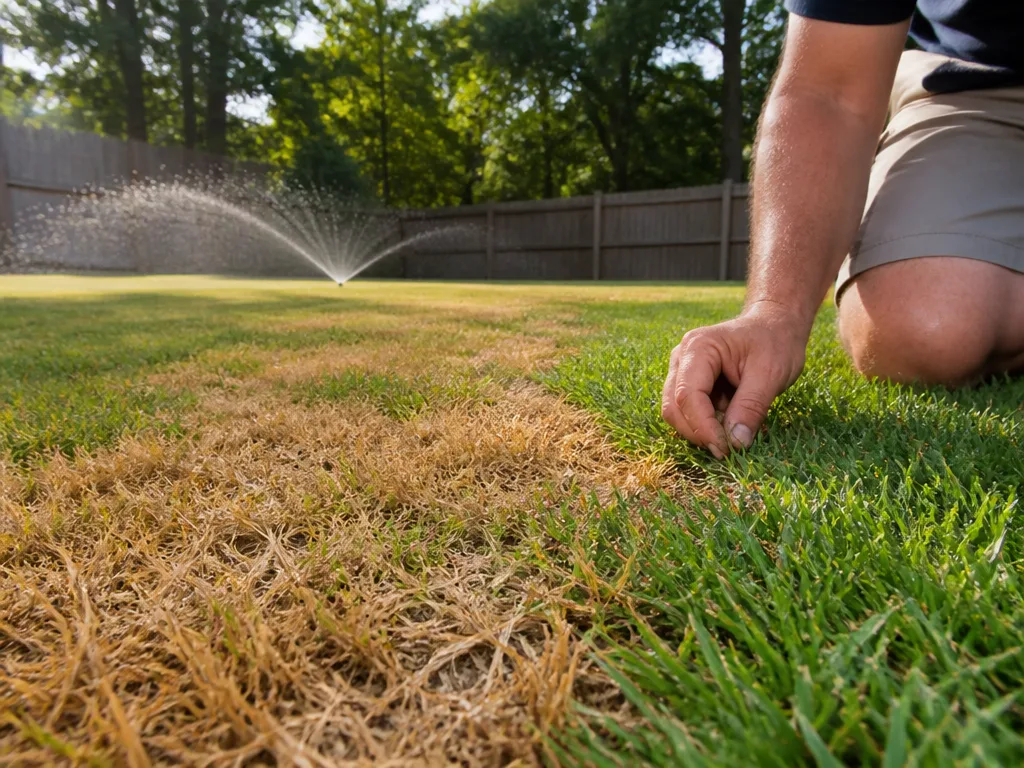
Across North Carolina lawns, a common early warning sign is uneven color. You might see rings of brown in the grass, or irregular dead spots that creep outward from a single point. Leaf blades may look dull, and the turf can feel soft underfoot. These symptoms often point to soil compaction, poor drainage, or nutrient imbalances rather than a single pest problem.
Another frequent signal is thinning grass during peak growing months. If you notice fewer blades per square inch and more soil showing through, you’re not imagining it. In North Carolina, humidity and heat can stress a lawn quickly, especially when the soil is compacted or the roots aren’t getting enough air.
What causes these signs in North Carolina
Soil health varies across our state, but several factors tend to show up again and again. Compacted soil from foot traffic or heavy equipment makes it hard for roots to grow. Improper mowing height, especially in the heat of summer, stresses the lawn and invites patchiness. Nutrient imbalances, like a shortage of nitrogen, can turn a healthy lawn brown in a matter of weeks. Poor drainage or waterlogging during rainy periods also leaves patches that never dry out properly.
In some cases these symptoms point to a more specific issue, such as a fungal patch or a buried thatch layer. North Carolina crews see both in different regions, depending on soil type and humidity. A good eye for these signs helps you act before the problem spreads.
What to do next
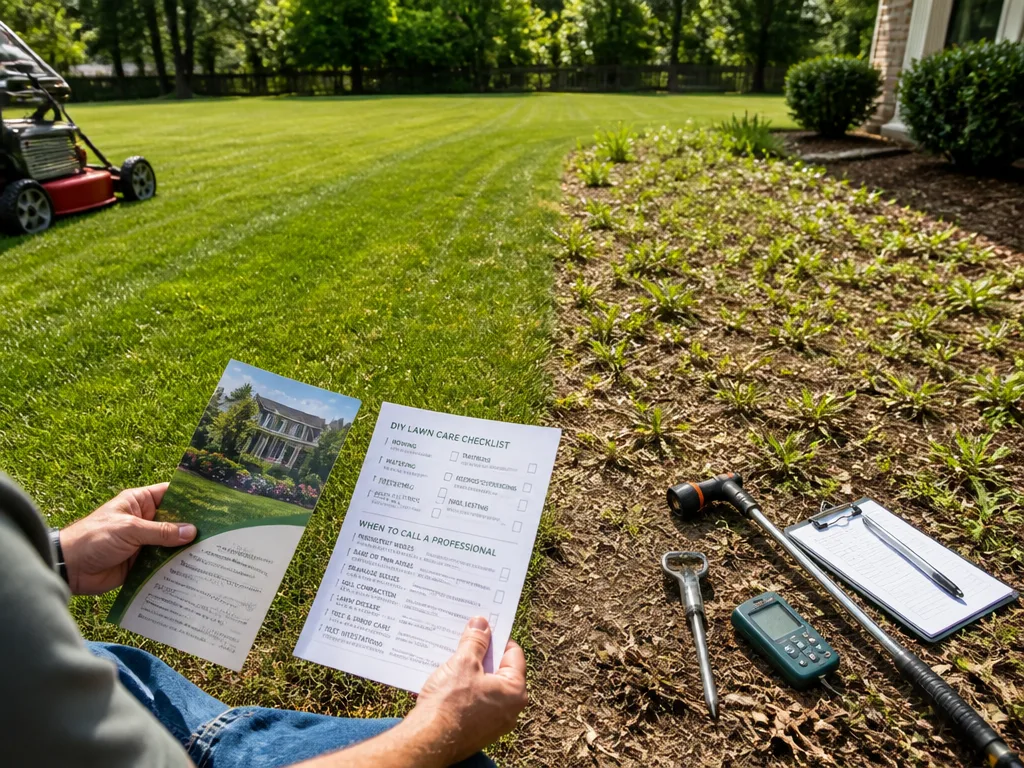
Start with a simple soil check. A basic soil test from a local garden center or our crew can tell you about pH and nutrient levels. If you have brown patches that don’t respond to basic care after two to four weeks, it’s time to bring in a lawn care specialist. Our team will assess soil health, drainage, and mowing practices to map a plan that fits your yard across North Carolina.
Until you get guidance, focus on just a few practical steps. Keep to a consistent mowing height suitable for your grass type, avoid heavy foot traffic on stressed areas, and water deeply but infrequently to encourage deep rooting. If patches are expanding, consider lifting and reseeding only in the affected zones after addressing soil conditions.
Longer-term improvements
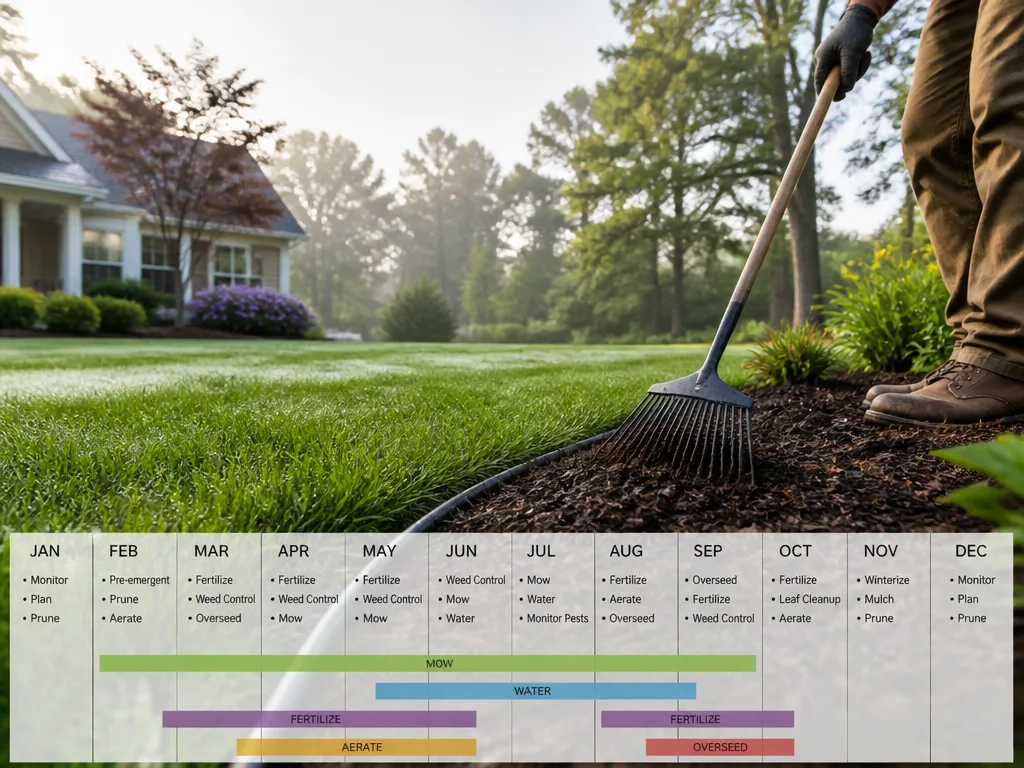
Healthy soil is the backbone of a resilient lawn. Aeration helps loosen compacted soil and improves water and air movement for roots. Top-dressing with a thin layer of quality soil or compost can rebuild soil structure, but apply only to the affected zones or where needed. Fertility should be balanced for your grass type and local conditions, not a one-size-fits-all mix. Across North Carolina, steady care from a lawn care specialist keeps your lawn sturdy through heat waves, humidity, and the seasonal shifts that come with our climate.