Spring to early summer in North Carolina
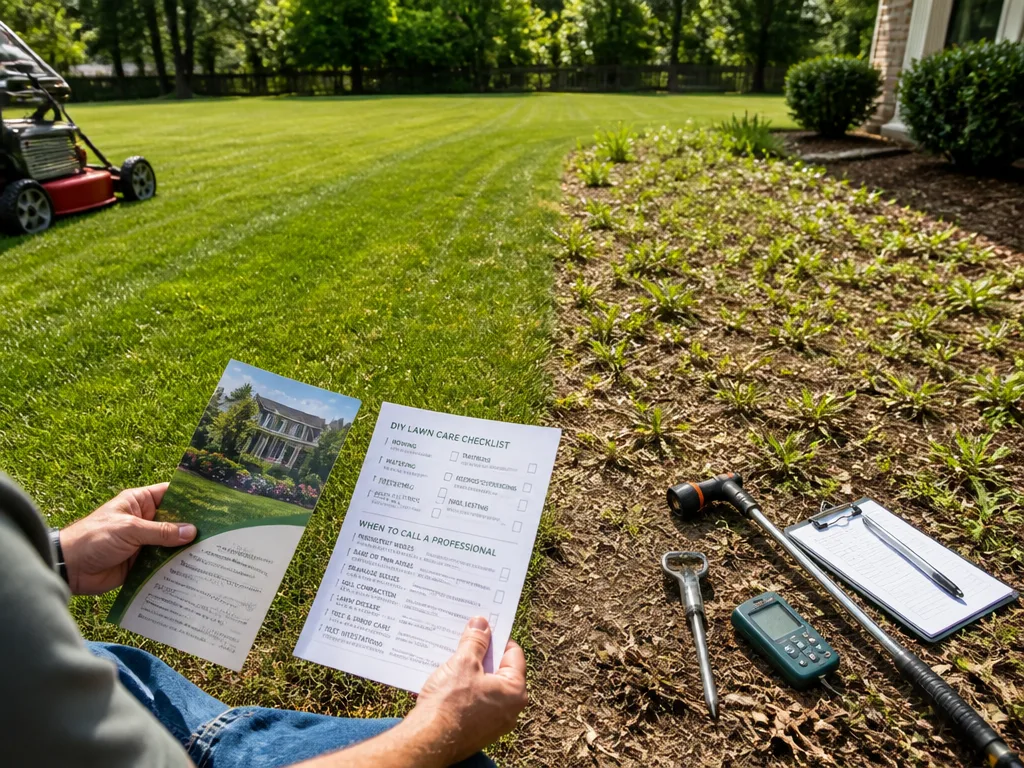
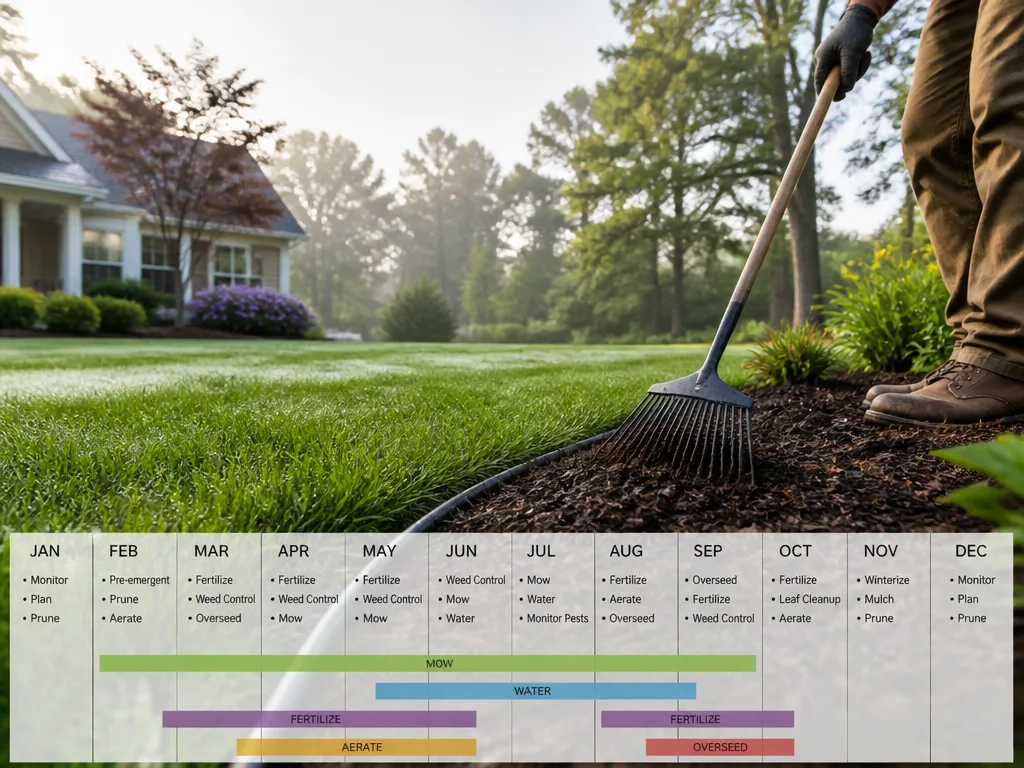
As the weather warms, focus on soil readiness and growth. Mowing height should rise gradually as the season starts, and you’ll want to recheck your irrigation schedule after the last frost. A soil test now helps guide fertilizer needs for the year. If your yard has thin areas, spring seeding or overseeding in the cool, wet window can help establish a thicker stand before the heat peaks.
Expect uneven growth as lawns wake up from winter. Keep to a steady mowing rhythm and avoid heavy traffic on new growth. This is a good time to pull back on heavy fertilization until you have a baseline soil read and target nutrients for your grass type across North Carolina.
Mid-summer focus
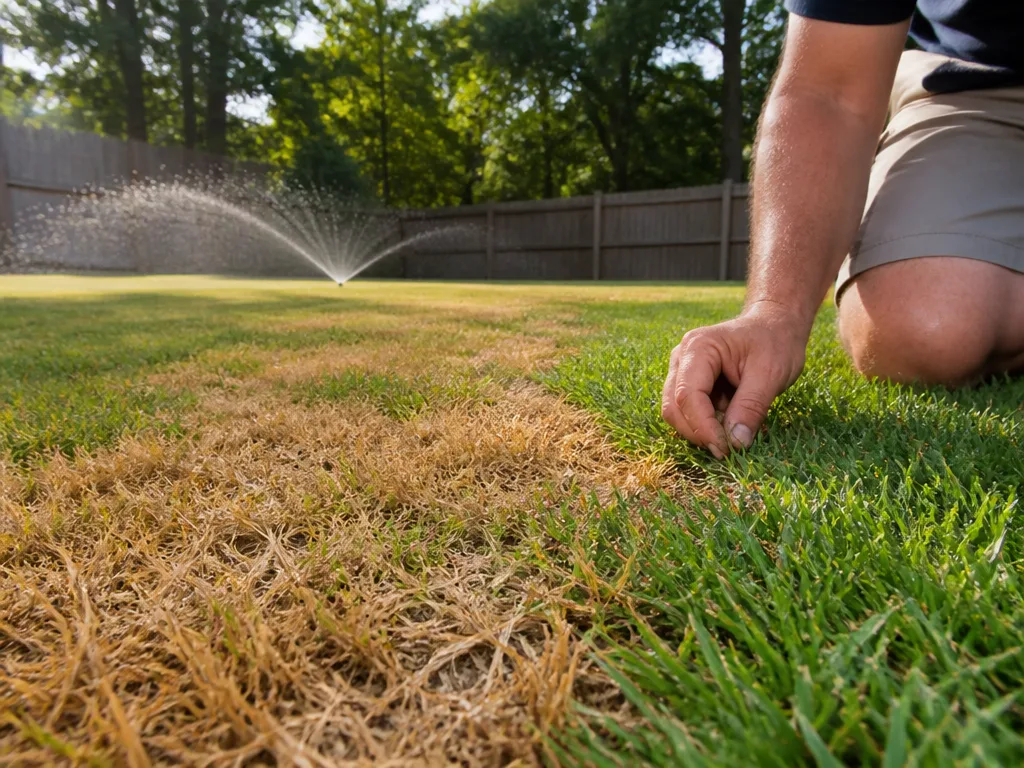
Heat and humidity stress grasses in all parts of North Carolina. Raise mowing height slightly to shade roots and preserve moisture. Deep, infrequent watering is better than daily light watering. If you notice brown patches or thinning, assess for stress and not just appearance. A lawn care specialist can help pinpoint underlying causes and adjust fertility and irrigation to protect the root zone.
Watch for fungal activity in humid weeks. If patches appear or new growth looks off, pause broad applications and consult a pro for a tailored plan. North Carolina crews across the state aim to keep turf resilient through the hottest stretch with careful monitoring and timely adjustments.
Fall preparation
Fall is a key window for improving root development before winter. Lower mowing height gradually as growth slows, but keep waste and clippings to recycle nutrients. Apply a balanced fertilizer focused on root growth and slow-release nutrients. If your soil test showed pH adjustments are needed, address these before winter to help nutrient availability next spring.
Rake and remove thatch as needed, and consider aeration if your soil is compacted. Overseeding thin areas can help you maintain a robust stand across North Carolina. End-of-season plans set you up for successful spring growth when the cycle starts again.
Winter basics
During the colder months, stay off the turf during hard freezes and avoid heavy traffic. Keep drainage paths clear to prevent puddling when winter rains arrive. If you rely on irrigation, switch to minimal maintenance mode and rely on natural rainfall where possible. A simple winter routine helps your lawn start strong when temperatures rise again in North Carolina.